Platform administration
Users, groups, and roles, sites and assets, devices and edge nodes, monitoring, diagnostics, and the procedures required to operate the platform.

Company
Prepare administrators, developers, integrators, and operational teams to work with the Nova Vector platform and Nova Edge, on a realistic system and with the people who build it.
01Role-based learning
Administrators learn configuration, identity, groups, devices, assets, diagnostics, and operational procedures. Developers and integrators focus on architecture, APIs, messages, data models, and failure handling.
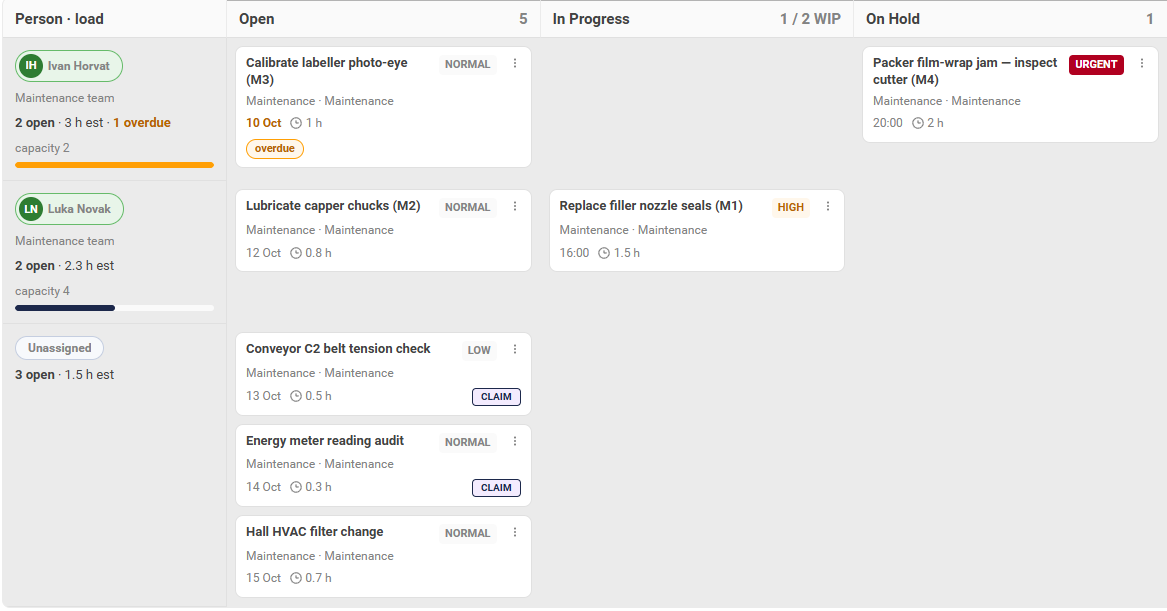
Production, maintenance, and quality users work with reports, alerts, tasks, process state, manufacturing workflows, and the escalation paths relevant to their role.
02Realistic practice
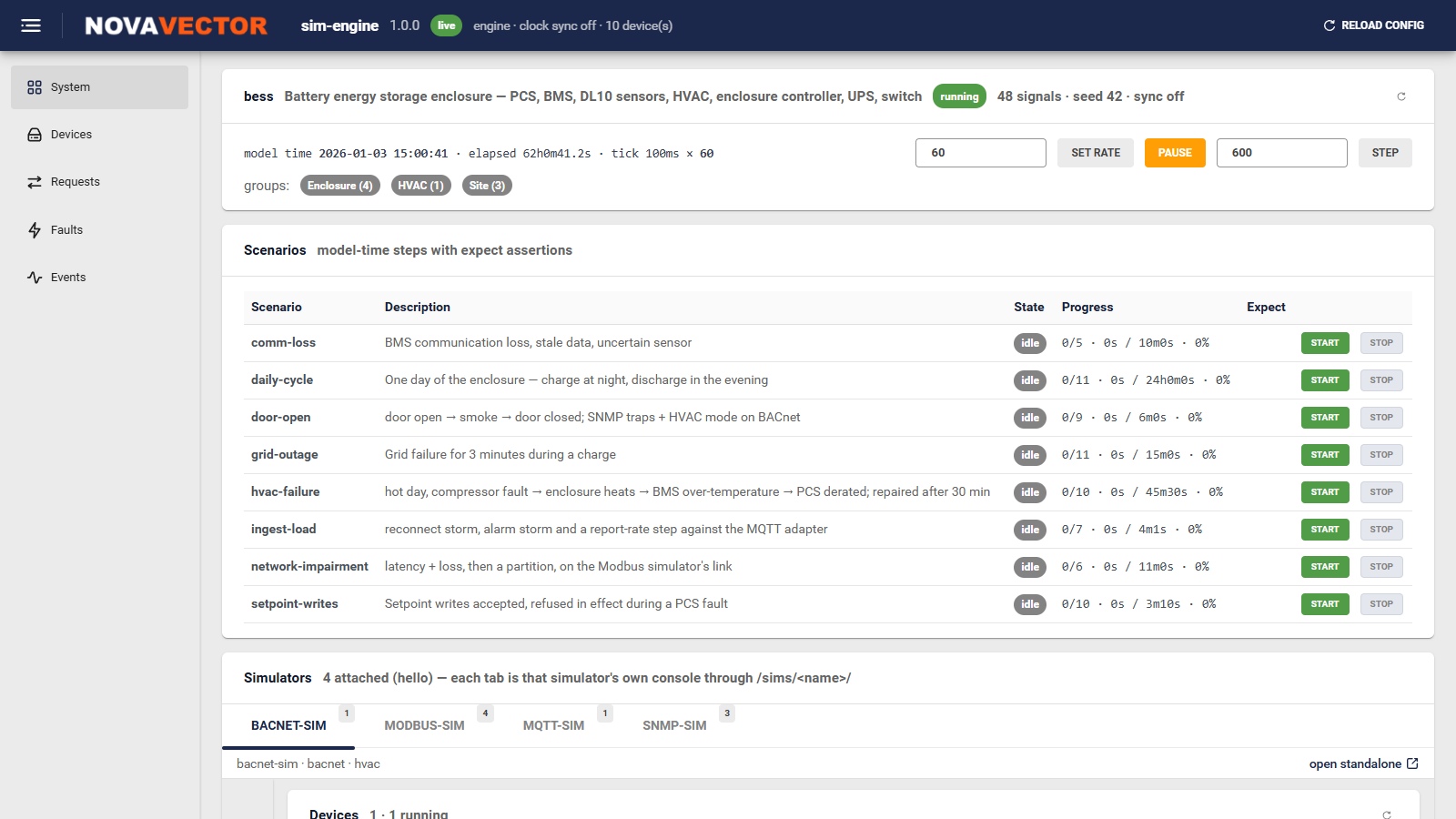
Training runs on Nova Vector Simulators, which behave like real equipment, with production lines, assembly lines, and energy-storage systems that run around the clock, including random stops and faults.
Trainers can trigger scenarios such as a breakdown or a changeover, so operators and maintenance teams practice the response, from the alert to the task to the report, without touching production.
03Local delivery
Nova Vector's engineers deliver training on site or remotely and adapt it to the customer's own lines, reports, and workflows.
Training is part of the handover of every implementation and is repeated as teams change or new capabilities go live.
Role-based learning
Users, groups, and roles, sites and assets, devices and edge nodes, monitoring, diagnostics, and the procedures required to operate the platform.
Architecture, APIs, application access, messages, data models, Node-RED flows, testing methods, and troubleshooting tools.
Reports, alerts and tasks, Kanban boards, process state, production workflows, and role-specific escalation paths.
Continue evaluating
Discuss your architecture